
In Clint Smith’s TedTalk titled “The Danger of Silence,” he asks his students to do these four things:
Read critically
Write consciously
Speak clearly
Tell your truth
Since watching Smith’s video almost a decade ago, I have become more intentional about my classroom culture and now yearly ask myself what core values do I want to be true of E216. In general, I consider myself to be a teacher who has an easy time building community but really had no throughline to how this was happening; community just happened organically. Now amid the course organization, unit planning, and creating lessons for the first week of school along with blood borne pathogen certification, locating items from our classroom that are all over the school after floor waxing, and endless PD, I carve out time to think about what makes my classroom unique. Each year I revisit and revise my core commitments or things that I want to be true of my classroom. Here are this year’s core values:
Relationships matter
Purposeful play
Student choice
Depth over breath
Every student speaks every day
Academic learning community
Embrace frustration
Safe space for student voices
Daily reading and writing

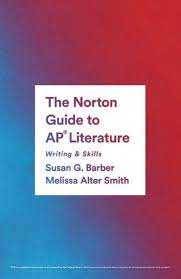
I could elaborate on each of these at length but want to focus today on creating a safe space for student voices and how I start with this at the beginning of the year. I love this quote from Melissa Smith in The Norton Guide to AP® Literature: “Instead of thinking of a text as something ‘to figure out,’ think of it as a human story. We’re all human and share the same experiences and emotions, whether we are living today or in the sixteenth century like Shakespeare. Our humanity connects us through space and time, and literature is a perfect vehicle to illustrate this phenomenon.You have just as much right as a student to share your thoughts on humanity as adults do. In fact, we desperately need your voice in today’s society.” I’ve italicized the last sentence because of its importance: we desperately need our students’ voices.
From day one, I work to make E216 a place where students can freely share and are heard. The very first assignment that students turn in is a letter introducing themselves to me. I write a letter to students introducing myself and ask them to write back telling me about themselves along with some general thoughts on one of three poems I include in the letter. In my effort to be analog this year, I asked students to submit a handwritten letter and had zero complaints, actually, some appreciation for a long form letter.
I’ve finished reading the letters yesterday and would love to share a few quotes from my students:
Throughout my life, I have always strived to learn and consume information. As of recent, I have gained a new infatuation with expanding my thinking and from what there first few days of class I can tell that this class has the opportunity to provide valuable insight and expand my thinking as I desire.
Classmates are often excited by the notion that “no claim is wrong” in a literary analysis as long as it’s back up by explanation, but I’ve always hated that idea of making up an answer, especially if it’s something dumb I don’t actually believe in. So I hope this year to practice finding more joy in writing and to learn new ways of thinking that allow me to confidently discover deeper meanings in literature or literally anywhere else.
For my final thing to add to this letter, I’m going to bless you with a restaurant rec since you said you’re a foodie. If you’ve been here, that’s great, and I will see that you are a very cultured and food loving individual. If you haven’t, you must go, or I will in turn be very disappointed.
I love stories and poems. I believe worlds can be captured in a written word, the same way a photograph captures a split second in time.
I am excited about the prospect of diversifying my reading choices this year. I hope – and expect – that this will cause me to be a better writer, and most importantly, a more dynamic thinker. I believe that the humanities encapsulate the essence of education the best. By placing an emphasis on critical thinking and learning from others, I hope this class will continue proving my bias towards the humanities correct by truly upholding the education process.
As I both realize and reflect on the fact that this is my final year in high school, I have at least a rough draft of the person I want to be.
I believer that in order to optimize the education system , we cannot go too far back in reaction against the trends of cheating, plagiarism, and apathy. Instead, we must embrace the opportunities AI creates while upholding the foundational principles of education; albeit, easier said than done.
My brain loves solving problems, putting puzzle pieces together and finding other solutions together. But reading is one puzzle my brain struggles to solve.
In my life, running is the sun, every action I take revolves around running.
Here are a few more:


After five classes with my students, I have a good sense for how classes will be and am getting to know my students. But these letters are a goldmine of information and provide an opportunity to share their voice in a small way. The activity also communicates that this class is a place for students for students to be seen and heard. Student voice matters in E216.
As I read letters, I make a comment on my roster with printed pictures so I can make an initial connection with students as I’m learning them. I also put a note based on the comment in the gradebook with their letter “grade” (everyone gets a 100 on the first assignment if you write a letter).
Our last instructional activity is a mentor poem based on Jamaica Kincaid’s “Girl” which I will share later this year. The difference between the first letter assignment and last student written poem are so amazing to see: growth in writing, voice, and vulnerability. I plan on returning these handwritten letters to students during our last class period together in May with a short handwritten note from me.
So here’s your homework: what are you core commitments for the 2026 – 2027 school year? And what is one specific activity you will do the first week of school to bring one of your core commitments to life?

Susan Barber teaches AP® English Literature at Midtown High School in Atlanta, Georgia. She is the coauthor of The Norton Guide to AP® Literature: Writing & Skills (Smith, 2022) and 100% Engagement: 33 Lessons to Promote Participation, Beat Boredom, and Deepen Learning in the ELA Classroom (Stabnik, 2025). Susan can be found in a lot of different spaces working to support English teachers but is most proud of the work she does on a daily basis in E216 and never tires of the beauty and chaos of the classroom.